

Enemies! Canadian port workers restart general strike! It may further push up the freight rate of the US line
2023-07-21 15:52:42
Click:
“
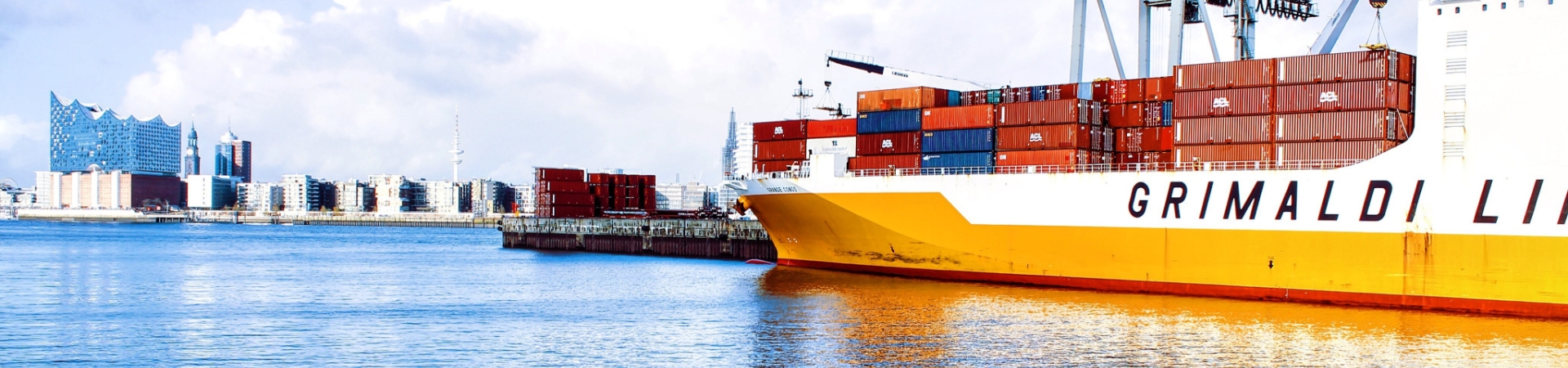
Canada's West Coast port workers' strike that subsided last Thursday has made waves again!
When it was believed that the 13-day strike of port workers on Canada's west coast could finally be resolved by consensus between labor and management, the union announced on Tuesday afternoon local time that it rejected the settlement clause and resumed the strike.
”
The International Union of Docks and Warehouses (ILWU) said dockworkers at Canada's Pacific Coast ports on Tuesday rejected a tentative four-year wage agreement with their employers last week and returned to the picket line. RBC previously reported that if the two sides do not reach an agreement by July 31, the backlog is expected to reach 245,000 containers, and it will take more than three weeks to clear the backlog even if no new ships arrive.

The head of the union group International Docks and Warehouses Canada announced that its caucus argued that the settlement terms proposed by federal mediators did not protect workers' jobs now or in the future. Unions have criticized management, while making record profits over the past few years, for failing to address the cost of living problems workers have faced in those years. The British Columbia Maritime Employers Association, which represents management, accused the union's caucus leadership of rejecting the settlement before all union members voted, and said the union's move was further harm to Canadians whose economy, international reputation and livelihoods depend on stable supply chains.
In British Columbia, Canada, on the Pacific coast, about 7,500 workers in more than 30 ports have been on strike since July 1, Canada's National Day. The key conflicts between labor and management are payroll, outsourcing of maintenance, and port automation. The Port of Vancouver, Canada's largest and busiest port, is also in the immediate scope of the strike. On July 13, the labor-management parties announced their acceptance of the mediation plan before the negotiation deadline set by the federal mediator for the terms of the settlement, reaching an interim agreement to resume normal port operations as soon as possible.
The analysis believes that the resumption of the Canadian port strike is expected to trigger more supply chain disruptions, and there is a risk of aggravating inflation, while playing a certain role in pushing up the US line.
Author:
GUANGZHOU RONGXIN LOGISTICS CO., LTD
From:
Reprinted From Shipping Network
0
-

Freight Rate Trend Table (Past 6 months, China → North Europe, USD/FEU spot)
-
Qinzhou Port saw steady growth of ASEAN sea freight volumes in early October.
-
Yangshan Deep-Water Port of Shanghai reported stable throughput during the National Day holiday window.
-
Yantian Port in Shenzhen set a new national single-vessel container handling record
-
Huanghua Port launched its first direct China-Europe block train to Duisburg
-
Maersk released its latest Middle East shipping operational update



SHARE
Quick Links
Quick Links
Quick Links
ceo@rongxin.cn.com
+86 020-81635220/ +86 020-81635220
Room 1604,16 / F, Fortune Building, 152 Xiwan Road, Liwan District, Guangzhou

GUANGZHOU RONGXIN LOGISTICS CO., LTD
ceo@rongxin.cn.com
+86 020-81635220/ +86 020-81635220
Office 203A-2, Tairong Business Center, 63 Xizeng Road, Liwan District, China

点击右上角
分享给朋友吧
©2022 GUANGZHOU RONGXIN LOGISTICS CO., LTD
